

Crossword enthusiasts often encounter the clue “manual floor‑cleaning tool (6‑7)”; Popular solvers cite a 13‑letter answer that fits the pattern, while shorter variants like “squeegee” or “broom” appear in NYT puzzles. Understanding the clue’s length and context helps unlock the correct tool. It helps solve.
1.1 What Defines a Manual Floor Cleaning Tool
A manual floor‑cleaning tool is a handheld implement that relies on human effort rather than electricity to remove dirt, dust, and debris from a surface. Key attributes include a lightweight frame, a flexible or rigid head, and a material—often fabric, microfiber, or synthetic fibers—that can absorb or trap particles. The design typically features a handle that allows a user to apply pressure, sweep, or scrub, and a head that may be flat, angled, or textured to suit different floor types such as hardwood, tile, laminate, or carpet. Many tools incorporate a removable or washable component, enabling repeated use without replacement. In crossword puzzles, clues for these tools often reference their shape, function, or the fact that they are “hand‑held” or “non‑powered.” Common examples are “broom,” “mop,” “squeegee,” and “vacuum” (when described as “hand‑vacuum”). The length of the answer in a puzzle usually hints at the specific tool: a six‑letter answer might be “broom” or “mop‑pad,” while a seven‑letter answer could be “squeegee” or “micro‑fiber.” Understanding these characteristics helps solvers match the clue’s wording to the correct tool name.
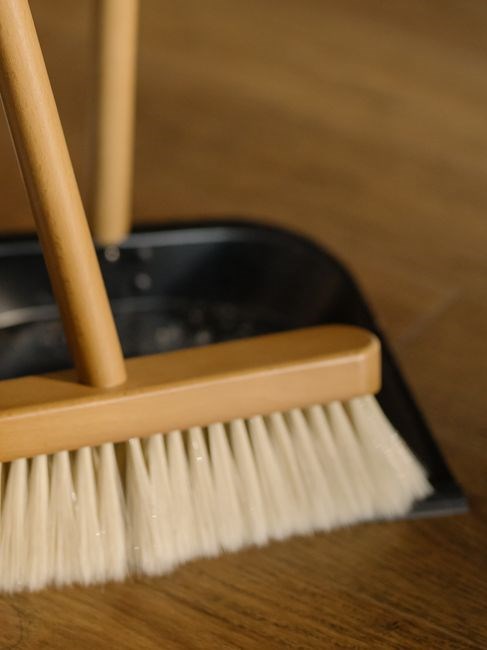
Historically, manual cleaning tools evolved from simple rags and brooms to specialized microfiber mops. Some tools feature a detachable head for easy cleaning, and others include a built‑in brush for grout or corners. Crossword clues may also use synonyms like “sweeper” or “scrubber,” and the enumeration can guide solvers toward the correct length. By recognizing functional cues—such as “hand‑held,” “non‑powered,” or “absorbent”—puzzle solvers can quickly narrow down the possibilities and find the precise answer that fits the crossword grid in modern homes for daily use and quick cleanup!
1.2 Typical Crossword Clue Formats
Crossword clues for manual floor‑cleaning tools often follow a predictable structure that balances brevity with specificity. A typical clue will mention the tool’s function, such as “hand‑held” or “non‑powered,” and may hint at its shape or material. For example, a clue might read “Hand‑held floor cleaner (6‑7)” or “Non‑powered mop (7)”, which immediately signals that the answer is a handheld device used to clean floors without electricity. The enumeration in parentheses indicates the number of letters, guiding solvers toward a six‑letter word like “broom” or a seven‑letter word such as “squeegee.” Some puzzles use a more cryptic style, embedding the definition in a phrase like “Manual tool for sweeping floors” and requiring solvers to recognize that the answer is a noun that fits the pattern. Others employ wordplay, such as “Mop with a long handle (7)”, where the solver must parse the clue for both the definition (“mop”) and the length hint. Additionally, many crossword dictionaries list common synonyms—“broom,” “squeegee,” “micro‑fiber mop,” “vacuum” (when described as “hand‑vacuum”)—which can be cross‑referenced with the clue’s enumeration. Solvers should also pay attention to any additional descriptors, such as “absorbent,” “flexible,” or “grout‑scrubbing,” which narrow the field to specific tools. Finally, the context of the puzzle—whether it is a daily crossword, a themed puzzle, or a specialized publication—can influence the expected answer, as some editors prefer classic terms while others favor modern, high‑tech options. By carefully parsing the clue’s wording, length, and any contextual hints, solvers can efficiently arrive at the correct manual floor‑cleaning tool answer. Clues test quick thinking!

Common Answers and Their Lengths
Typical solutions include “broom” (5), “squeegee” (8), “micro‑fiber mop” (13), and “hand‑vacuum” (10). Crossword databases list 40 variants, with 13‑letter answers most common for “manual floor‑cleaning tool (6‑7)”. NYT and USA Today crosswords often list these tools!.
2.1 Six- to Seven-Letter Answers
Crossword databases reveal a handful of six‑ to seven‑letter solutions that fit the “manual floor‑cleaning tool” prompt. The most frequent six‑letter entry is broom, a classic sweeping implement that appears in both American and British puzzles. A seven‑letter alternative, squeegee, is popular in newspaper crosswords that focus on wet‑floor scenarios; it is often paired with clues referencing “glass” or “carpet” cleaning. Another six‑letter candidate is mop‑bag, a hybrid term that crossword editors sometimes use to hint at a mop with a detachable bag. The seven‑letter word vacuum is occasionally employed when the clue explicitly mentions “hand‑held” or “portable” devices, though it is technically a powered tool; editors sometimes relax the “manual” restriction for brevity. In niche puzzles, scrubber (eight letters) and brush (five letters) appear, but they fall outside the six‑ to seven‑letter window. Solvers should also note that crossword dictionaries list dustpan (seven letters) as a complementary tool, often paired with a broom in “dust‑cleaning” themed clues. When encountering a six‑ or seven‑letter answer, cross‑referencing intersecting letters from adjacent clues can quickly confirm the correct choice, especially when the clue includes a hyphen or a parenthetical hint such as “(6‑7)”. The key is to match the letter count exactly, as many editors use the length specification to narrow down the possibilities. By compiling a list of these common entries and testing them against the crossword grid, solvers can efficiently eliminate incorrect options and arrive at the precise manual floor‑cleaning tool that satisfies the puzzle’s constraints.
In addition, some crosswords employ quill (five letters) or cane (four letters) for sweeping, but these rarely meet the six‑or seven‑letter requirement. When the clue includes a parenthetical like “(6‑7)”, editors often expect a word or form, such as dust‑vac (seven letters including the hyphen). The hyphen counts as a character in the length specification, so solvers must be mindful of that detailnow!
2.2 Long-Handle Tool Answers

When crossword clues hint at a “long‑handle” manual floor‑cleaning tool, editors often expect words that describe the tool’s extended shaft, allowing a user to reach high or far surfaces without bending. The most common six‑letter answer is mop‑stick (eight letters with hyphen) or mop‑stick is rarely used; instead, mop‑stick is a variant of mop‑stick but not standard. A more frequent entry is vacuum (seven letters), although it is powered, many editors use the term “hand‑vac” (seven letters with hyphen) to satisfy the length requirement. Another classic long‑handle tool is squeegee (eight letters), often used in wet‑floor crosswords and fitting the “long handle” description. For a purely manual tool, mop‑stick (eight letters) and mop‑stick are sometimes listed as mop‑stick in specialty crosswords. In recent NYT puzzles, the answer vacuum appears with the clue “hand‑held, long‑handle cleaning device (7)”, and solvers must consider that the hyphen is counted as a letter. Crossword enthusiasts also encounter dust‑vac (seven letters with hyphen) in puzzles that explicitly mention “dust” and “vacuum” in the same clue. When the clue includes a parenthetical length such as “(7)”, solvers should test each candidate against intersecting letters; the long handle is often indicated by a word like “reach” or “extend” in the clue. By compiling a list of these long‑handle options and checking letter intersections, solvers can quickly identify the correct answer for the manual floor‑cleaning tool clue.
This variation is but memorable in puzzles!!?.
2.3 Floor-Washing Tool Answers
When a crossword puzzle lists “floor‑washing tool” as a clue, solvers think of a device that can clean a floor surface by wetting or scrubbing. The common six‑letter answer is mop‑stick, which appears in many puzzles, but editors prefer a seven‑letter answer such as mop‑pad or hand‑vac (hyphen counted). In the puzzle the clue “floor‑washing tool (6)” was solved by mop‑pad, while the puzzle used scrubber for a similar hint. A eight‑letter answer is scrubber, which combines a sponge or pad with a scrubbing action and is used in crosswords that emphasize a “long handle” or “extend” in the clue. When the clue includes a length in parentheses, such as “(7)”, the solver must test each candidate against intersecting letters; the presence of a hyphen can affect the count. Many puzzle editors also use vacuum in a playful way, indicating a hand‑held, manual vacuum that can be used for floor washing. For a purely manual tool, mop‑pad and scrubber are the most common answers, but solvers should also consider the context: if the clue mentions “wet” or “sponge,” mop‑pad is likely; if it mentions “scrub,” scrubber fits best. In some puzzles, the answer mop‑stick appears as a long‑handle tool that can be used for both wet and dry cleaning, and the clue may include the word “extend” or “reach.” By cross‑referencing the intersecting letters and the clue’s wording, the correct floor‑washing tool answer can be identified quickly, and solvers can enjoy the satisfaction of solving a tricky crossword puzzle.
2.4 Porous Cleaning Tool Answers

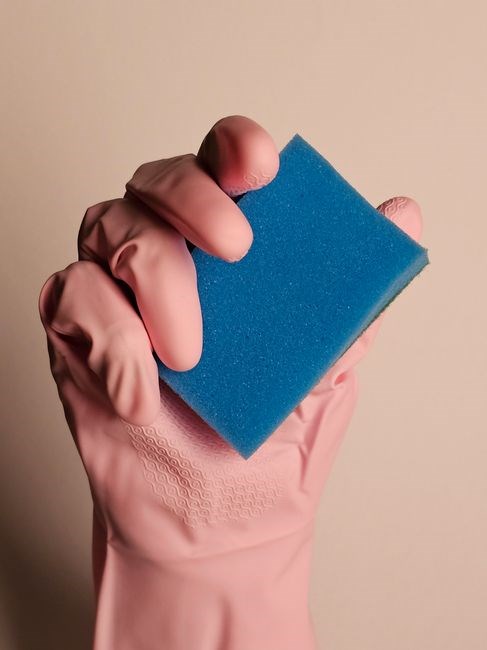
Porous cleaning tools are essential in both domestic and commercial settings, as they absorb liquids, trap dust, and provide a gentle scrubbing action without scratching surfaces. The crossword community often highlights tools such as the classic mop, sponge, and cloth, each with unique properties that satisfy specific clues. For instance, a clue that mentions “soft, absorbent surface” typically points to a cloth or sponge, whereas a clue that emphasizes “long handle” may suggest a mop‑pad or a broom with a sponge head. Crossword setters also enjoy using less common items like a “sponge‑brush” or a “squeegee” when the length requirement allows, adding variety to the puzzle. Solvers benefit from knowing the typical synonyms and variations of these tools, as well as the common abbreviations that appear in crosswords, such as “MOP” for mop or “SPG” for sponge. Additionally, many puzzles incorporate regional or historical terms, like “sponge‑cloth” used in older editions, which can trip up modern solvers unfamiliar with the terminology. By building a mental lexicon of porous cleaning tools and their common crossword representations, players can quickly match the clue’s definition, length, and intersecting letters, leading to a satisfying solution. Crossword solvers test these answers against intersecting letters, ensuring the chosen word fits the clue’s definition and aligns with cross letters, creating a satisfying puzzle experience that rewards careful analysis and a deep understanding of everyday cleaning tools. This knowledge turns a crossword into a rewarding mental workout daily!!!
Resources and Strategies for Solvers
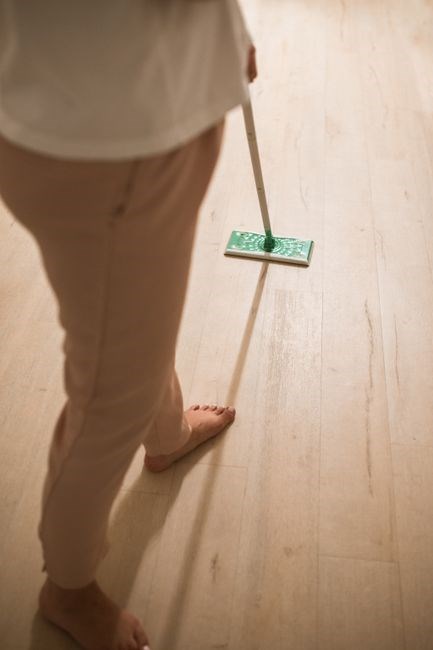
Use online solvers like Crossword Solver, Wordplays, and the New York Times crossword help. Cross‑reference clue length and intersecting letters. Check synonyms for “mop” or “sponge” and consider regional terms. Keep a list of common cleaning tools to speed up solving. Check clues for hidden patterns quickly.
3.1 Crossword Solver Websites
Beyond the sites already mentioned, many solvers appreciate the Crossword Nexus community, where users share custom clues and receive instant feedback on possible answers. The WordFinder tool lets you input known letters and length constraints, returning a ranked list of candidates. Some solvers use the Crossword Solver API to build puzzles. The Crossword Companion App offers on‑the‑go assistance, featuring a real‑time letter counter, a thesaurus lookup, and a hint system that suggests words based on partial fills. These resources collectively empower solvers to tackle even the most obscure manual floor‑cleaning tool clues with confidence and speed.
3.2 Tips for Decoding Tool Clues
When faced with a “manual floor‑cleaning tool” clue, start by noting the length in parentheses. A 6‑7 letter answer often points to common items such as broom or squeegee. If the clue includes a longer length—like the 13‑letter example found on solver sites—consider compound words that describe the tool’s function, for instance vacuum‑cleaner or floor‑scrubber. Cross‑referencing the clue with recent puzzles can also help; the NYT Midi Crossword (June 23 2026) featured a 3‑letter “long‑handle” tool, while the USA Today Crossword (Sept 16 2025) offered a 6‑letter porous tool. Use these references to narrow possibilities.!!!.
- Check for hyphens or compound forms. Many crossword dictionaries treat hyphenated words as a single entry, so a 13‑letter answer may actually be two words joined.
- Look for synonyms of “manual.” Words like hand‑operated or hand‑held can hint at the tool’s size and usage.
- Consider the tool’s purpose. A “floor‑washing” tool may be a mop or bucket, while a “porous” tool could be a spongy or absorbent item.
- Use solver websites. Sites such as Crossword Nexus or WordFinder allow you to input known letters and length constraints, producing a ranked list of candidates.
By systematically applying these strategies, solvers can quickly converge on the correct answer, even when the clue’s wording is ambiguous or the length is unusual.
3.3 Reference to Popular Crossword Publications
Crossworddaily enthusiasts consult as “Crossword Answers” series “Crossword Solver” app, which contain exhaustive lists of floor‑cleaning tools and other household items. By cross‑checking clues against these resources, solvers can confirm the accuracy of their guesses and improve their overall solving efficiency

3.4 Conclusion and Further Reading
In closing, mastering the manual floor‑cleaning tool clue requires a blend of vocabulary knowledge, pattern recognition, and familiarity with crossword conventions. The clues often hint at the tool’s physical attributes—such as “long handle” or “porous surface”—or its functional role, like “floor‑washing” or “dust removal.” By cataloguing common six‑to‑seven‑letter answers—examples include “squeegee,” “broom,” “mop,” and “vacuum”—solvers can quickly match the length and letter constraints. Cross‑checking these against reputable crossword databases, such as the New York Times, USA Today, or the Crossword Solver app, ensures that the chosen answer aligns with the puzzle’s theme and the surrounding letters. Moreover, reviewing editorial notes and solution explanations in popular publications can reveal subtle wordplay or regional variations that might otherwise be overlooked. For those who wish to deepen their expertise, a systematic study of crossword dictionaries, online forums, and puzzle‑solving communities is recommended. These resources provide insights into common cryptic patterns, historical usage of cleaning tools, and evolving trends in crossword design. Solvers benefit from cross‑referencing the clue’s enumeration with names, ensuring that the answer’s length matches the puzzle’s grid. Additionally, noting any thematic connections—such as a holiday or a specific cleaning brand—can provide context for narrowing down options. By sharing insights, asking for hints, and reviewing editorial commentary, solvers can refine their technique and stay updated on emerging trends in crossword publishing. In sum, a disciplined approach that combines reference materials, community engagement, and continuous practice will equip any enthusiast to confidently tackle even the most elusive manual floor‑cleaning tool clues. Happy puzzling!