
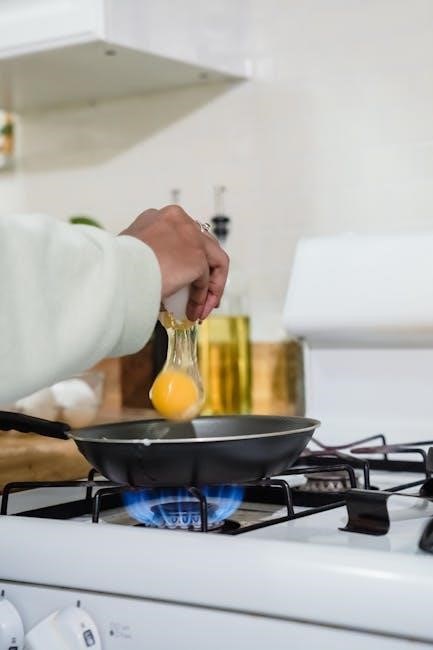
Amana Gas Stove Manual: Comprehensive Guide
Discover essential guidance for your Amana gas stove‚ including safety‚ operation‚ maintenance‚ and troubleshooting – download manuals and find support resources today!
Amana gas stoves are renowned for their durability and reliable performance‚ offering a classic cooking experience with modern convenience․ This manual serves as a comprehensive resource for owners‚ providing detailed instructions on safe operation‚ optimal usage‚ and effective maintenance of your appliance․ Whether you’re a seasoned chef or new to gas cooking‚ understanding your stove’s features is key to achieving excellent results․
Amana prioritizes user safety and ease of use‚ designing stoves with intuitive controls and robust construction․ This guide will walk you through each component‚ from the control panel to the oven’s various baking modes‚ ensuring you can confidently utilize all its capabilities․ Explore resources for finding manuals and support‚ maximizing your cooking experience․
Understanding Your Amana Gas Stove Model
Identifying your specific Amana gas stove model is crucial for accessing the correct documentation and support․ Locate the model number and serial number typically found on a label affixed to the stove frame – often behind the drawer or on the back panel․ This information is essential when downloading manuals‚ ordering replacement parts‚ or contacting Amana customer support․
Different Amana models offer varying features‚ such as burner configurations‚ oven capacities‚ and electronic ignition systems․ Familiarize yourself with the unique characteristics of your stove to optimize its performance and ensure safe operation․ Utilize online resources and the provided manual to fully understand your appliance’s capabilities․
Safety Precautions
Prioritize safety! Always check for gas leaks‚ ensure proper ventilation‚ and be aware of carbon monoxide risks when using your Amana gas stove․
Gas Leak Safety
Recognizing a gas leak is crucial for household safety․ If you suspect a leak – a distinctive gas odor‚ hissing sound near the stove‚ or dead vegetation nearby – immediately take action․ Do not operate any electrical switches‚ as sparks can ignite the gas․
Evacuate everyone from the home immediately and contact your gas company or emergency services from a safe location․ Never attempt to locate the leak yourself․ Ensure the area remains well-ventilated until professionals arrive to inspect and repair the gas line․ Regular inspections and maintenance can help prevent leaks‚ safeguarding your family and home․
Carbon Monoxide Awareness
Carbon monoxide (CO) is a colorless‚ odorless‚ and deadly gas produced by incomplete combustion of fuels like natural gas․ Your Amana gas stove can potentially produce CO if not properly ventilated or maintained․ Install CO detectors on every level of your home‚ especially near sleeping areas‚ and test them monthly․
Recognize the symptoms of CO poisoning: headache‚ dizziness‚ weakness‚ nausea‚ vomiting‚ chest pain‚ and confusion․ If a CO detector alarms‚ evacuate immediately and call emergency services․ Ensure proper ventilation when using your gas stove‚ and schedule regular professional inspections to prevent CO buildup․
Proper Ventilation
Adequate ventilation is crucial when operating your Amana gas stove to ensure safe and efficient combustion․ Always use the range hood fan while cooking‚ venting to the outside‚ to remove combustion byproducts and moisture․ If your stove lacks a range hood‚ open a window near the cooking area to provide fresh air circulation․
Avoid obstructing the airflow around the stove․ Do not cover or block ventilation openings․ Proper ventilation minimizes the risk of carbon monoxide buildup and maintains optimal cooking performance․ Regular cleaning of the range hood filters is also essential for effective ventilation․
Component Overview
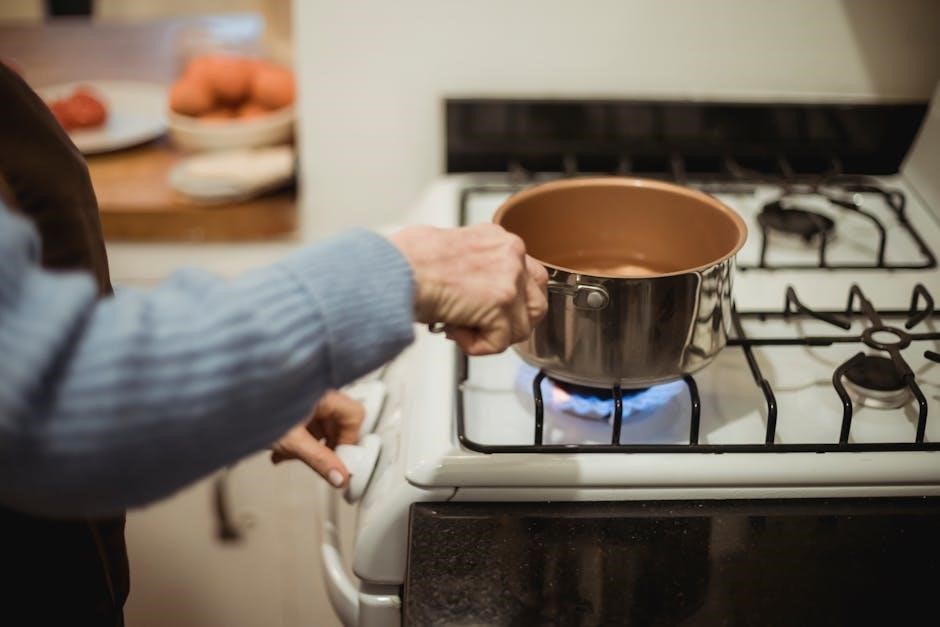
Explore the key parts of your Amana gas stove: control panel‚ burners‚ oven‚ and broiler – understanding each ensures optimal performance and safe operation․
Control Panel Explained
The Amana gas stove’s control panel is your command center for cooking․ Typically‚ you’ll find individual knobs for each burner‚ allowing precise flame adjustment․ Digital models feature electronic ignition and temperature controls‚ often with a clock and timer display․ Oven controls include mode selection – bake‚ broil‚ and potentially convection – alongside temperature settings․ Safety features like a control lock may also be present․ Understanding the symbols and functions on your specific model is crucial․ Refer to your manual for detailed explanations of each button and knob‚ ensuring you can confidently operate all features․ Familiarize yourself with the panel’s layout for a seamless cooking experience․
Burner Types and Functions
Amana gas stoves commonly feature various burner types to suit different cooking needs․ Standard burners provide consistent heat for everyday cooking‚ while power burners offer higher BTU output for rapid boiling and searing․ Some models include simmer burners designed for low‚ consistent heat – ideal for sauces․ Sealed burners prevent spills from entering the gas valve‚ simplifying cleaning․ Understanding each burner’s function maximizes cooking efficiency․ Always use appropriate cookware size for each burner․ Regularly cleaning burners ensures optimal performance and prevents uneven flames․ Refer to your manual for specific burner details and recommended usage․
Oven Features and Settings
Amana gas ovens boast a range of features for versatile cooking․ Standard bake is suited for most recipes‚ while convection bake ensures even heat distribution for faster‚ more uniform results․ Self-clean cycles simplify oven maintenance‚ burning off food residue at high temperatures․ Many models offer temperature probe functionality for precise cooking․ Explore settings like delay start for convenient meal preparation․ Familiarize yourself with rack positions for optimal airflow․ Always preheat the oven before baking․ Consult your manual for detailed explanations of each feature and recommended settings for various dishes․
Broiler Operation
Utilizing the broiler on your Amana gas stove requires careful attention․ Position the oven rack appropriately – closer for searing‚ further for slower cooking․ Always use broiler-safe cookware․ Preheat the broiler before placing food inside․ Monitor closely‚ as broiling happens quickly‚ preventing burning․ For best results‚ leave the oven door slightly ajar during operation‚ as indicated in your manual․ Never use aluminum foil to line the broiler pan‚ as it can overheat and cause a fire․ Ensure proper ventilation while broiling‚ and always use oven mitts․
Using Your Amana Gas Stove
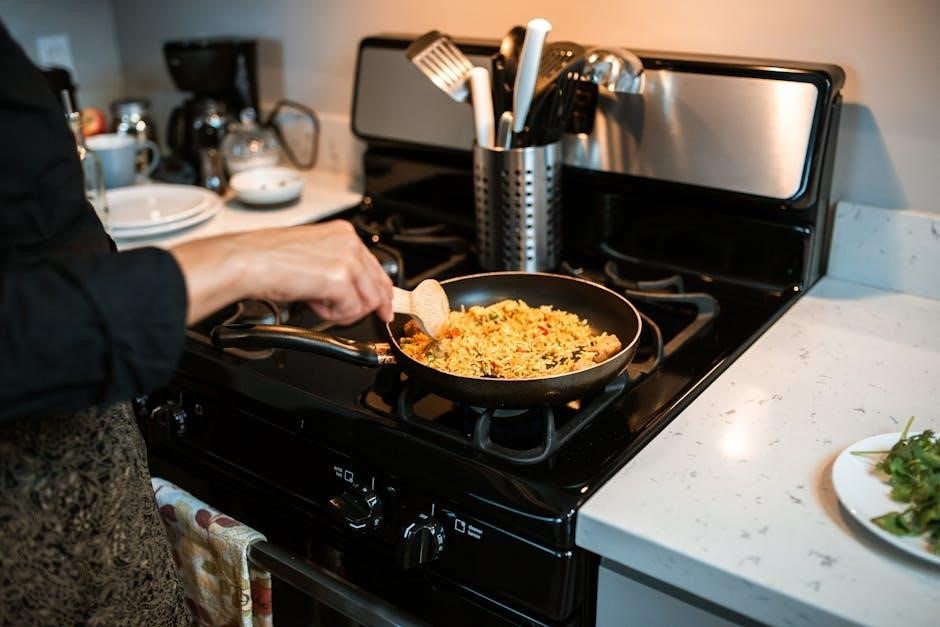
Master ignition‚ flame adjustment‚ preheating‚ and baking modes for optimal cooking; explore broiling techniques detailed in your Amana gas stove manual․
Igniting the Burners
To ignite a burner on your Amana gas stove‚ first ensure the control knob is in the “Off” position․ Then‚ firmly push in and turn the knob counterclockwise to the “Light” or “High” setting․ You should hear a clicking sound – this is the igniter sparking․
If the burner doesn’t light within a few seconds‚ release the knob and repeat the process․ Some models may require you to hold the knob in for a longer duration․ Always allow sufficient time for gas to reach the burner before attempting re-ignition․
If persistent issues occur‚ consult the troubleshooting section of your Amana gas stove manual for further assistance‚ or consider contacting Amana support․
Adjusting Flame Levels
Once the burner is lit‚ you can easily adjust the flame level using the control knob․ Turning the knob clockwise decreases the flame‚ while turning it counterclockwise increases it․ Amana gas stoves offer precise flame control‚ allowing you to tailor the heat to your specific cooking needs․
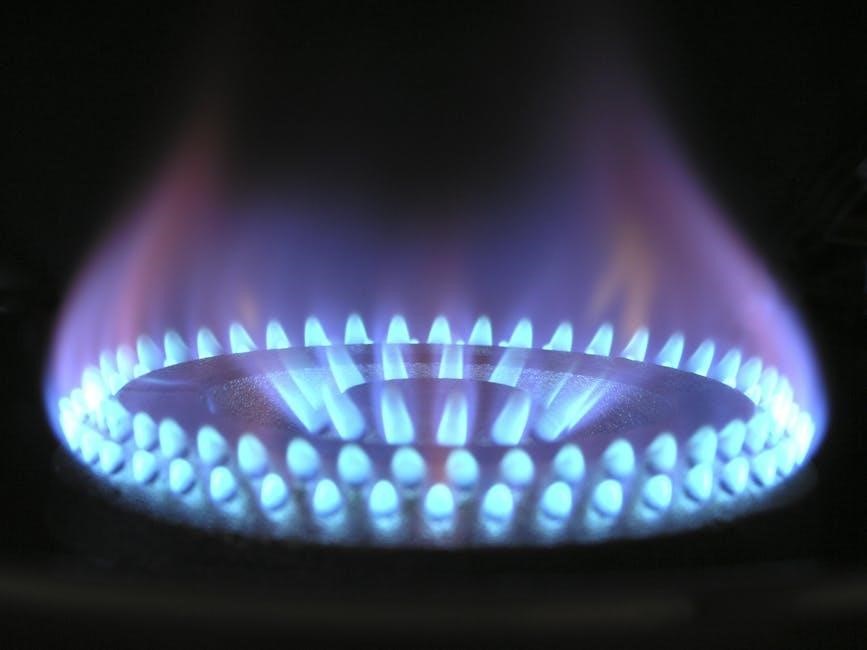
Start with a lower flame setting and gradually increase it as needed to avoid scorching or uneven cooking․ Observe the flame color – a steady‚ blue flame indicates optimal combustion․ A yellow or orange flame may suggest incomplete combustion and requires attention․
Refer to your Amana gas stove manual for specific guidance on flame level settings for different cooking methods․
Oven Preheating
Proper oven preheating is crucial for consistent baking results․ To preheat your Amana gas stove oven‚ select your desired baking mode and temperature using the control panel․ The oven will begin heating‚ and a preheat indicator light will illuminate․
Allow sufficient time for the oven to reach the set temperature – typically 10-15 minutes‚ but consult your manual for specific timings․ The indicator light will turn off when preheating is complete‚ signaling that the oven is ready for baking․
Avoid opening the oven door during preheating‚ as this can cause heat loss and prolong the preheating process․
Baking Modes Explained
Amana gas stoves offer various baking modes to suit different recipes․ Bake mode utilizes heat from the bottom element for general baking tasks like cookies and cakes․ Convection Bake circulates hot air for faster‚ more even cooking – ideal for multiple racks․
Roast mode provides high heat‚ perfect for meats and poultry‚ often with a slightly crisped exterior․ Some models include Warm mode to keep cooked food at serving temperature․ Refer to your specific model’s manual for detailed descriptions of each mode and recommended temperature settings for optimal results․
Broiling Techniques
Broiling on your Amana gas stove uses intense‚ direct heat from above‚ perfect for quickly cooking tender cuts of meat‚ melting cheese‚ or browning vegetables․ Always position the oven rack appropriately – closer for searing‚ further for slower cooking․
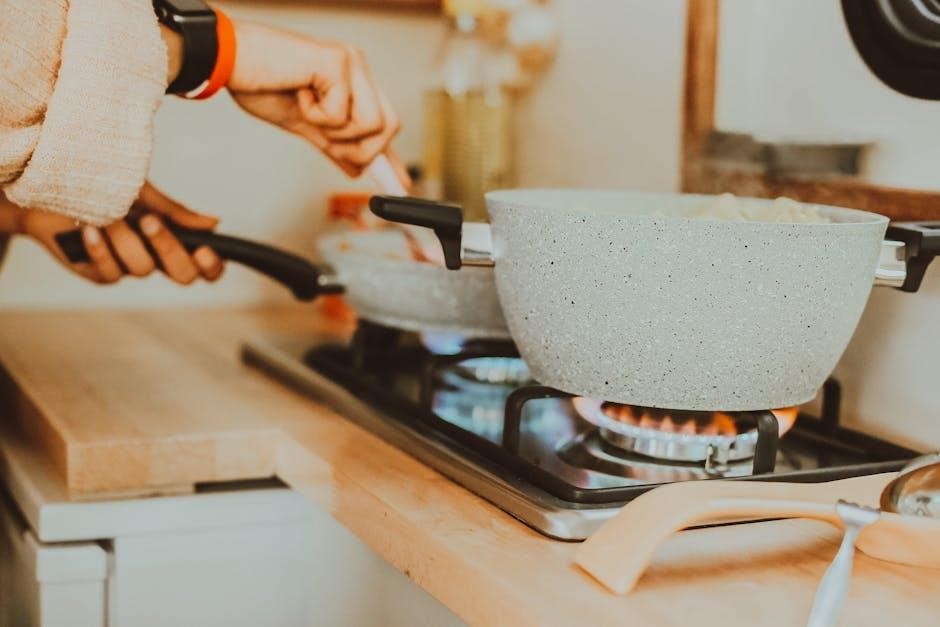
Preheating the broiler is crucial for consistent results․ Use an oven-safe pan and monitor food closely to prevent burning․ For best results‚ pat food dry before broiling and consider using a broiler pan to allow fat to drip away․ Consult your manual for specific broiling times and temperatures․
Cleaning and Maintenance
Maintain your Amana gas stove’s performance with regular cleaning of burners‚ the oven‚ control panel‚ and exterior surfaces for optimal longevity․
Burner Cleaning Procedures
Regular burner cleaning ensures efficient and safe operation of your Amana gas stove․ Begin by ensuring the stove is completely cool and the gas supply is turned off; Carefully remove burner grates and caps; these can typically be washed with warm‚ soapy water․ For stubborn residue‚ soak them beforehand․
Next‚ clean the burner heads themselves․ Use a small wire or needle to clear any clogged gas ports – avoid enlarging the ports․ Wipe down the burner bases with a damp cloth․ Ensure all parts are thoroughly dry before reassembling․ A buildup of food or spills can affect flame quality and potentially create hazards‚ so consistent cleaning is vital for peak performance and safety․
Oven Cleaning Methods
Maintaining a clean oven is crucial for optimal cooking performance and food safety with your Amana gas stove․ For light cleaning‚ utilize the self-clean cycle‚ following all safety precautions outlined in your manual – remove racks beforehand․ Alternatively‚ a manual cleaning method involves removing racks and using a non-abrasive oven cleaner․
Apply the cleaner‚ allowing it to sit for the recommended time‚ then wipe thoroughly with a damp cloth․ For baked-on residue‚ a paste of baking soda and water can be effective․ Always ensure the oven is well-ventilated during and after cleaning‚ and rinse completely to remove any cleaner residue before use․
Control Panel Cleaning
Keeping the control panel clean ensures proper functionality and maintains the aesthetic appeal of your Amana gas stove․ Begin by gently wiping the surface with a soft‚ damp cloth to remove loose debris; For stubborn stains or grease buildup‚ use a mild dish soap solution – avoid abrasive cleaners‚ as they can damage the finish․
Apply the soapy water sparingly‚ wiping in the direction of the panel’s design․ Rinse with a clean‚ damp cloth and dry thoroughly․ Avoid spraying liquids directly onto the control panel; instead‚ apply to the cloth first․ Regular cleaning prevents buildup and ensures responsive controls․
Exterior Surface Care
Maintaining the exterior of your Amana gas stove is crucial for its longevity and appearance․ Regularly wipe down the stainless steel or painted surfaces with a soft‚ damp cloth to remove fingerprints‚ spills‚ and dust․ For stainless steel‚ use a stainless steel cleaner specifically designed for appliances‚ following the product’s instructions carefully․
Avoid abrasive cleaners‚ scouring pads‚ or steel wool‚ as these can scratch the surface․ For painted surfaces‚ a mild dish soap solution works effectively․ Rinse with a clean‚ damp cloth and dry thoroughly to prevent water spots․ Promptly address spills to avoid staining․
Troubleshooting Common Issues
Resolve frequent problems like burners failing to ignite‚ uneven baking‚ or error codes with our guide – diagnose and fix issues efficiently!
Burner Won’t Light
If a burner fails to ignite‚ first ensure the gas supply is active and the burner itself is clean․ Check for any obstructions blocking the burner ports‚ as debris can prevent proper gas flow and ignition․ Verify the igniter is clicking; if not‚ it may require replacement․
Also‚ confirm the burner cap is correctly positioned – misalignment can hinder ignition․ Sometimes‚ a damp burner can prevent lighting; try drying it thoroughly․ If the issue persists‚ consult the manual for specific troubleshooting steps related to your Amana model‚ or consider contacting a qualified appliance repair technician for assistance․
Oven Not Heating
When your Amana oven isn’t heating‚ initially verify the power supply and ensure the oven is set to the correct baking mode and temperature․ Check the oven’s safety features‚ like the door interlock switch‚ which prevents operation if the door isn’t fully closed․ A faulty igniter or gas valve could also be the culprit‚ preventing gas from reaching the burner․
Furthermore‚ inspect the bake element for any visible damage․ If problems continue‚ consult your Amana gas stove manual for specific error codes or troubleshooting guidance․ For complex issues‚ contacting a certified appliance repair professional is recommended for safe and effective diagnosis and repair․
Uneven Baking
Experiencing uneven baking with your Amana gas stove often stems from improper rack positioning; ensure items are centered and have sufficient space around them for air circulation․ Verify the oven temperature calibration – an inaccurate thermostat can lead to inconsistent results․ Overcrowding the oven can also restrict airflow‚ causing uneven cooking․
Additionally‚ check for obstructions blocking the oven vents․ Rotate baking sheets halfway through the cooking process for more uniform browning․ If the issue persists‚ consult the Amana manual for specific recommendations or consider a professional oven calibration service to ensure optimal performance․
Error Codes and Meanings
Amana gas stoves utilize error codes to diagnose internal issues; referencing your specific model’s manual is crucial for accurate interpretation․ Common codes might indicate ignition failure‚ temperature sensor malfunctions‚ or gas supply problems․ For instance‚ a flashing “F1” could signal a weak spark ignition‚ while “E2” may point to an oven temperature sensor error․
Always attempt to resolve simple issues like a loose power cord before contacting service․ Detailed explanations of each code‚ along with suggested troubleshooting steps‚ are provided within the Amana documentation․ Ignoring error codes can lead to further damage or unsafe operation․
Repair and Replacement
Locate replacement parts and assess DIY repair options‚ but prioritize safety; when complex issues arise‚ contacting a qualified professional is always recommended․
Finding Replacement Parts
Securing genuine Amana replacement parts is crucial for maintaining your gas stove’s performance and safety․ Begin by noting your stove’s model number‚ typically found on a label located near the oven door or on the back of the appliance․ Utilize this number when searching online appliance parts retailers‚ ensuring compatibility․
Several websites specialize in appliance parts‚ offering diagrams and detailed descriptions to aid in identification․ OEM (Original Equipment Manufacturer) parts are generally recommended for optimal fit and function․ If you encounter difficulties locating a specific part‚ referencing the Amana repair manual or contacting Amana support directly can provide valuable assistance․
Always verify the part number before ordering to avoid incorrect replacements and potential issues during installation․
DIY Repair Considerations
Attempting DIY repairs on your Amana gas stove requires caution and a basic understanding of appliance mechanics․ Always disconnect the gas and electrical supply before commencing any work‚ prioritizing safety․ Consult the repair manual for detailed instructions and diagrams specific to your model․
Simple repairs‚ like replacing a burner knob or cleaning burners‚ are generally manageable for experienced DIYers․ However‚ repairs involving gas lines‚ ignition systems‚ or electrical components are best left to qualified professionals․ Incorrect repairs can create safety hazards and void your warranty․
Ensure you have the necessary tools and a clear understanding of the repair process before starting․
When to Call a Professional
Prioritize safety – immediately contact a qualified technician for any gas leak suspicion‚ even a faint odor․ Do not attempt to repair gas line issues yourself․ Similarly‚ complex electrical problems‚ such as faulty wiring or malfunctioning ignition systems‚ demand professional attention․
If your Amana gas stove displays persistent error codes you cannot decipher‚ or if repairs seem beyond your skill level‚ a technician is crucial․ Ignoring these issues can lead to further damage or dangerous situations․
Remember‚ professional service ensures correct diagnosis and repair‚ maintaining your stove’s safety and efficiency․
Manual Resources & Downloads
Access Amana gas stove manuals online via the Internet Archive and Amana’s support website; find care guides and literature for your model․
Accessing Online Manuals
Finding your Amana gas stove’s manual online is remarkably straightforward․ The Internet Archive offers downloadable PDF versions‚ including the “Big Oven Gas Range” user manual‚ available for free download‚ borrowing‚ or streaming․
Alternatively‚ Amana’s official support website provides a comprehensive library of manuals‚ care guides‚ and literature․ Utilize their appliance model lookup system to pinpoint the exact documentation for your specific stove․
These resources often include detailed diagrams and step-by-step instructions‚ empowering you to perform basic maintenance and repairs independently․ Ensure you have a stable internet connection for optimal access and download speeds․
Amana Support Contact Information
For direct assistance with your Amana gas stove‚ reaching out to their support team is crucial․ While specific contact details aren’t explicitly provided in the sourced information‚ Amana’s official website is the primary resource․
Navigate to the “Contact Us” section to find phone numbers‚ email addresses‚ or live chat options․
Be prepared to provide your appliance’s model number for efficient support․ Additionally‚ referencing the online manuals and FAQs can often resolve common issues quickly․ Remember to have your purchase date and warranty information readily available when contacting support․
Understanding Warranty Information
Amana gas stoves are typically covered by a manufacturer’s warranty‚ protecting against defects in materials and workmanship․ However‚ the specific terms and duration vary by model and purchase date․ It’s essential to review your original purchase documentation to understand your coverage details․
Generally‚ warranties cover parts and labor for a defined period‚ often one year․ Extended warranties may be available for purchase‚ offering longer-term protection․ Keep your proof of purchase safe‚ as it’s required for any warranty claims․ Refer to Amana’s official website for detailed warranty information․
Installation Instructions
Proper installation requires a secure gas line connection‚ adherence to electrical requirements‚ and ensuring the stove is perfectly leveled for optimal performance․
Gas Line Connection
Connecting the gas line is a critical step‚ demanding strict adherence to safety protocols․ Always ensure the gas supply is completely shut off before commencing any work․ Utilize a qualified professional for this task‚ as improper connection can lead to dangerous gas leaks․
Verify the gas type matches your stove’s requirements – natural gas or propane․ Employ new‚ approved flexible connectors‚ avoiding the reuse of old ones․ Apply gas-rated pipe joint compound or Teflon tape to all threaded connections‚ tightening securely but avoiding over-tightening․
After connection‚ perform a leak test using a soapy water solution; bubbles indicate a leak․ Never use a flame to check for leaks! A professional inspection is highly recommended post-installation․
Electrical Requirements
Although a gas stove primarily uses gas for cooking‚ most models require an electrical connection for igniting burners‚ powering the oven light‚ and operating electronic controls․ Typically‚ Amana gas stoves need a standard 120-volt‚ 60-Hz electrical supply․
Ensure a dedicated‚ properly grounded three-prong outlet is readily accessible near the stove’s location․ Avoid using extension cords or adapters‚ as they can pose a safety hazard․ The electrical circuit should be adequately rated – usually 15 or 20 amps – to handle the stove’s power draw․
Verify the outlet’s voltage matches the stove’s specifications before plugging it in․ A qualified electrician should handle any electrical work․
Leveling the Stove
Proper leveling is crucial for safe and efficient operation of your Amana gas stove․ An unleveled stove can cause uneven cooking‚ burner instability‚ and potential hazards․ Use a bubble level to check the stove’s stability‚ placing it on both the cooktop and inside the oven․
Adjust the leveling legs located at the stove’s base․ Rotate them clockwise to lower that corner and counterclockwise to raise it․ Make small adjustments‚ rechecking with the level after each turn․
Continue this process until the stove is perfectly level in all directions‚ ensuring it doesn’t wobble․ Securely tighten the locking nuts on the legs once leveled․