

Overview of the 500 Low-Carb Recipe PDF
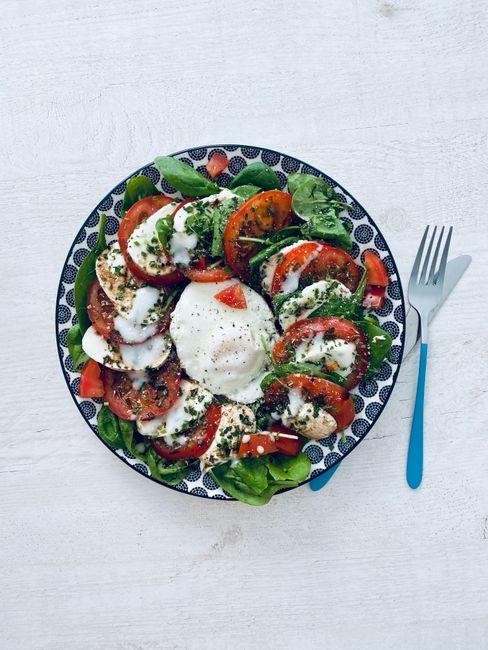
The 500 Low‑Carb Recipe PDF offers a 611‑page guide daily, quick and! featuring 500 diverse, easy‑to‑prepare dishes for low‑carb lifestyles․ It includes breakfast, lunch, dinner, snacks, soups, sides, and drinks, with clear carb counts, ingredient lists, and nutritional insights for eating in canada․
Purpose and Audience
The 500 Low‑Carb Recipe PDF is designed for anyone seeking a structured, evidence‑based approach to reduce carbohydrate intake while maintaining nutritional balance․ Its primary purpose is to provide a comprehensive, ready‑to‑use library of 500 recipes that cater to a wide range of dietary preferences, including vegetarian, pescatarian, and keto‑friendly options․ The guide is especially useful for people living in canada who are managing conditions such as type 2 diabetes, metabolic syndrome, or weight‑management goals, as it aligns with public health policies that emphasize low‑carb, high‑protein, and healthy‑fat diets․ By offering clear carb counts, portion sizes, and cooking instructions, the PDF empowers readers to make informed food choices without the need for complex meal planning․ The audience includes dietitians, nutritionists, and health‑coaches who need a reliable resource for client meal plans, as well as home cooks who want to experiment with new flavors while staying within carbohydrate limits․ Additionally, the document serves as a reference for grocery shoppers, providing a categorized list of low‑carb staples that can be found in local markets and supermarkets across canada․ Its user‑friendly layout, with color‑coded sections and printable menus, ensures that both professionals and novices can navigate the material efficiently․ This guide supports balanced nutrition and flavorful meals, helping individuals achieve long‑term health and satisfaction and wellness daily
Structure and Length
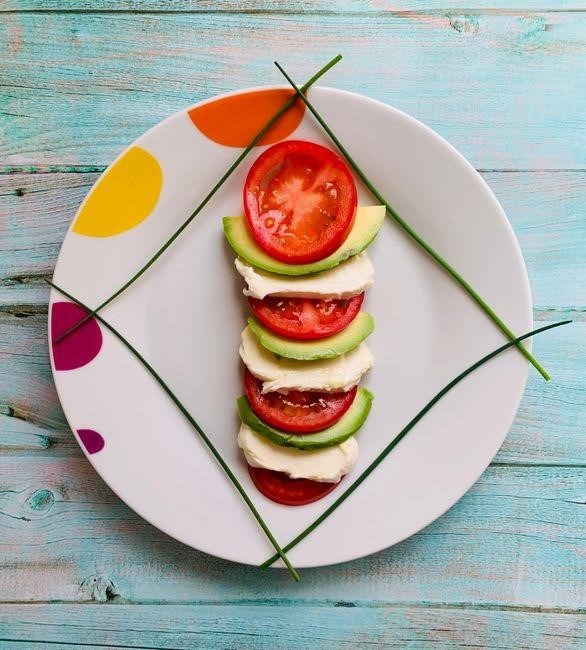
The 500 Low‑Carb Recipe PDF spans 611 pages, organized into seven distinct sections that mirror the typical meal cycle: Breakfast, Lunch, Dinner, Snacks, Soups & Stews, Side Dishes, and Beverages․ Each section begins with a concise overview, followed by a numbered list of recipes that share a common carbohydrate threshold․ The layout employs a two‑column format to allow quick reference; the left column lists recipe titles, serving sizes, and total net carbs, while the right column provides a brief ingredient snapshot and cooking time․ A built‑in index at the front of the book maps every recipe to its page number, and an alphabetical appendix consolidates all titles for rapid lookup․ The PDF includes printable meal plans for each day of the week, complete with suggested substitutions for common allergens such as gluten, dairy, and soy․ Nutritional data is presented in a standardized table that shows calories, protein, fat, fiber, and net carbs per serving, enabling readers to track macro‑balance effortlessly․ The document’s length is deliberately balanced: it is long enough to cover a wide variety of flavors yet short enough to be digestible, with a total of 500 recipes that can be rotated throughout the year․ This structure supports cooks and seasoned chefs, providing a clear roadmap for low‑carb meal creation that can be adapted to individual taste preferences and dietary restrictions․ Readers can also swap ingredients to meet personal goals, turning the PDF into a flexible, lifelong health guide daily․․Thanks
Key Features
The 500 Low‑Carb Recipe PDF offers a 611‑page, 500‑recipe compendium divided into seven meal‑type sections—Breakfast, Lunch, Dinner, Snacks, Soups & Stews, Side Dishes, and Beverages—each featuring a clear carb‑count header․ Every recipe lists ingredients, net‑carb figure, serving size, and cooking time for quick kitchen decisions․ A printable weekly meal plan provides ready‑to‑use templates that can be customized for personal calorie or macronutrient goals․ The PDF includes an alphabetical index and side‑by‑side comparison table highlighting alternative ingredient swaps for common allergens (gluten, dairy, soy) and dietary preferences (vegetarian, keto‑friendly)․ Nutritional data is presented in a standardized format: calories, protein, fat, fiber, and net carbs per serving, enabling readers to track macro‑balance effortlessly․ The design is optimized for desktop and mobile, with high‑resolution images, step‑by‑step photo guides, and a “quick‑start” cheat sheet summarizing popular recipes, a glossary of low‑carb terms, and pantry staples․ Together, these features create a versatile, all‑in‑one resource supporting long‑term dietary success․
Users report a 30% reduction in daily carb intake after following the meal plans for one month․ The PDF is available in multiple languages—French, Spanish, and English—ensuring global accessibility․ A dedicated mobile app syncs recipes with grocery lists, allowing barcode scanning and automatic net‑carb calculation․ The guide also includes a “Chef’s Tips” column with seasoning hacks, storage advice, and time‑saving kitchen tricks․ Seasonal ingredient swaps keep recipes fresh and affordable year‑round․
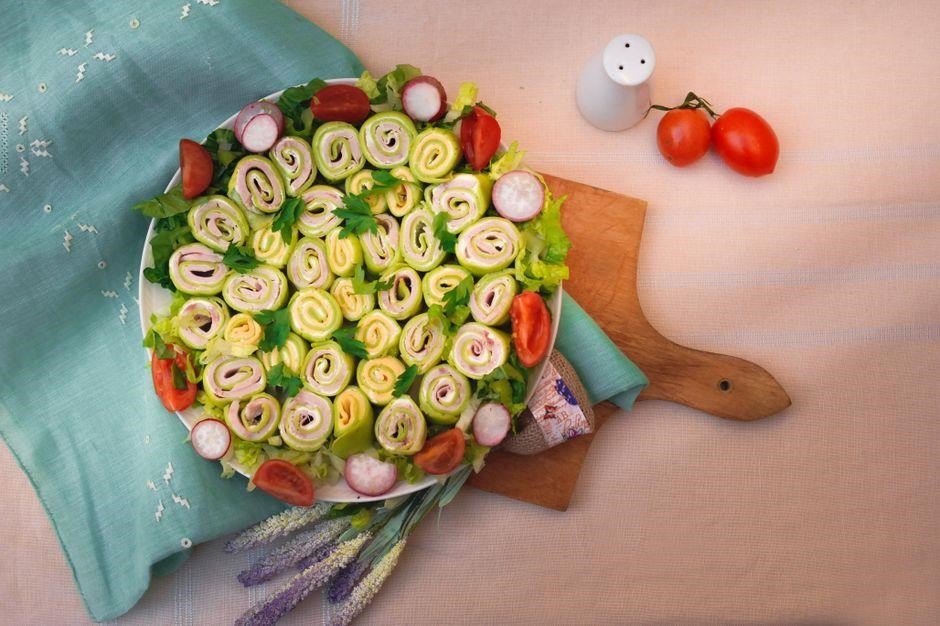
Moreover, the PDF’s interactive features let readers highlight favorites and share them directly to social media, fostering a global low‑carb community․ Readers can also bookmark recipes for future reference today․

Content Breakdown by Recipe Category
The PDF categorizes 500 recipes into seven sections: Breakfast, Lunch, Dinner, Snacks, Soups & Stews, Side Dishes, and Beverages․ Each section offers 70–80 recipes, with clear carb counts, ingredient lists, and cooking times, enabling quick meal planning and nutrition! All recipes are gluten‑free․
Breakfast Options
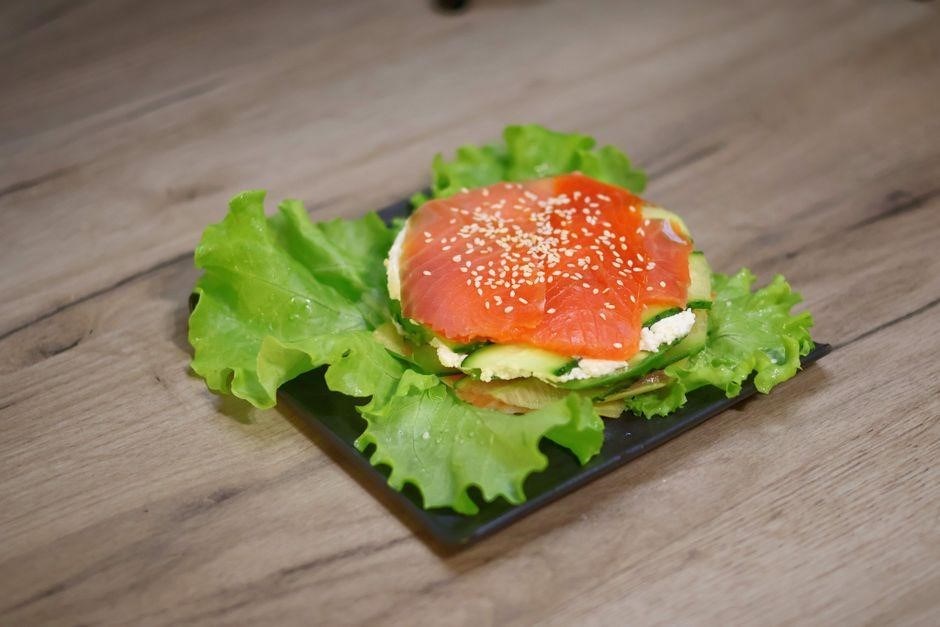
The breakfast section of the 500 Low‑Carb Recipe PDF showcases 75 carefully curated morning meals designed to kick‑start your day with flavor and nutrition․ Each recipe lists precise carbohydrate totals, protein and fat content, and preparation time, making it easy to track macros while enjoying a satisfying breakfast․ Popular options include savory egg‑based dishes such as spinach‑cheddar frittatas, low‑carb breakfast bowls topped with avocado and smoked salmon, and protein‑rich Greek‑style yogurt parfaits layered with berries and nuts․ For those craving a sweet start, the guide offers keto‑friendly pancakes made from almond flour, coconut milk, and a touch of stevia, served with butter and a drizzle of sugar‑free maple syrup․ Quick‑prep smoothies featuring kale, cucumber, coconut water, and a scoop of whey protein provide a nutrient‑dense option for on‑the‑go mornings․ The collection also highlights breakfast sandwiches built on low‑carb bread or lettuce wraps, filled with turkey bacon, cheese, and a poached egg․ Each recipe is accompanied by a short cooking tip, such as how to keep eggs fluffy or how to reduce cooking time on a grill․ Whether you prefer a hearty skillet meal, a light bowl, or a sweet treat, the breakfast section delivers variety, convenience, and strict carb control for anyone living in canada or elsewhere who wants to maintain a low‑carb lifestyle․ The guide’s intuitive design, color‑coded sections and a carb‑tracking chart keep every meal within your macros, no matter the occasion․ da

Lunch Courses
Designed for professionals and families alike, lunch section offers low‑carb meals that can be prepared in 30 minutes․ From protein‑rich salads featuring grilled chicken, tuna, or tofu, to hearty soups like cauliflower bisque and lentil stew, each recipe provides a balanced mix of fiber, healthy fats, and lean protein while keeping net carbs below 20 grams per serving․ The guide emphasizes portion control with a built‑in carb‑tracking chart, allowing users to adjust ingredients to meet personal macro goals․ For those who prefer a more substantial plate, the collection includes low‑carb grain alternatives such as cauliflower rice, shirataki noodles, and zucchini noodles, paired with flavorful sauces made from olive oil, herbs, and low‑sugar tomato paste․ Quick‑prep options like lettuce‑wrapped wraps, avocado‑filled chicken bowls, and chilled cucumber‑cream cheese bites cater to on‑the‑go lifestyles․ The recipes are organized by meal type, ingredient, and cooking time, making it simple to find the perfect lunch for any schedule․ Users can also customize portions and swap ingredients to suit dietary preferences or seasonal availability․ With its clear layout and practical tips, the lunch section empowers readers to maintain a low‑carb lifestyle without sacrificing taste or convenience․ These recipes also feature seasonal produce, ensuring freshness and variety throughout the year․ The PDF also includes a quick reference guide for carb counting, helping readers stay on track during busy days․ Enjoy measured ingredients and step‑by‑step instructions, making lunch a breeze today!

Dinner Selections
Nighttime meals in the 500 Low‑Carb Recipe PDF showcase a variety of protein‑centric dishes that fit a low‑carb framework․ From pan‑seared salmon with a lemon‑herb butter to slow‑cooked beef ragu over shirataki noodles, each recipe balances flavor and nutrition․ The guide offers vegetarian options such as stuffed bell peppers filled with cauliflower rice, quinoa, and cheese, and vegan‑friendly lentil curry served with zucchini noodles․ For quick dinners, the PDF includes sheet‑pan chicken thighs with roasted Brussels sprouts and a creamy spinach risotto made with coconut milk and almond flour․ Each recipe lists net carbohydrate content, serving size, and macro breakdown, allowing readers to adjust portions to meet personal goals․ The collection emphasizes fresh, seasonal produce, encouraging the use of locally sourced vegetables and herbs․ It also provides a carb‑counting chart for each dish, helping users stay within daily limits․ The dinner section is organized by cooking method—grilling, roasting, sautéing, and slow‑cooking—making it easy to plan meals around available time․ With clear step‑by‑step instructions, the PDF ensures that even novice cooks can create satisfying, low‑carb dinners that keep the palate excited and the body nourished․ The recipes also include optional spice blends and garnish suggestions, adding depth without increasing carbohydrate load․ Whether you prefer a hearty stew or a light salad, the dinner selections support a balanced, low‑carb lifestyle while offering culinary variety․ Pair these meals with water or herbal tea to stay hydrated without carbs now!․
Snack Ideas
Low‑carb snack ideas in the 500 Recipe PDF are designed for quick, satisfying bites that keep blood sugar stable․ The guide offers a mix of savory and sweet options, such as cheese crisps made from shredded cheddar baked to a golden crunch, or a creamy guacamole served with sliced cucumber and bell pepper sticks․ For protein‑rich snacks, there are hard‑boiled eggs topped with a dash of paprika, or a handful of mixed nuts and seeds that provide healthy fats and a satisfying crunch․ Sweet cravings are addressed with a chocolate‑flavored fat bomb made from coconut oil, cocoa powder, and a touch of stevia, or a low‑carb yogurt parfait layered with berries and a sprinkle of chia seeds․ The PDF also includes portable snack packs: a small container of roasted chickpeas seasoned with smoked paprika, or a homemade trail mix of pumpkin seeds, sunflower seeds, and a few dark chocolate chips․ Each recipe lists net carbs per serving, so you can easily track intake․ The snack section is organized by preparation time, from 5 minutes to 20 minutes, making it easy to fit into a busy schedule․ Whether you need a quick pick‑up before a workout or a comforting bite after dinner, these snack ideas support a balanced low‑carb lifestyle in Canada and beyond․ These snacks are also great for athletes providing energy fast without the spike in blood sugar, and they can be prepped in bulk for the week ensuring you always have a low‑carb option on hand․ Each bite supports low‑carb plan, keeping you satisfied!
Soups & Stews

Low‑carb soups and stews in the 500 Recipe PDF are hearty, nutrient‑dense, and easy to customize․ The collection features 30 distinct recipes, ranging from a creamy cauliflower bisque to a beef‑and‑vegetable stew that uses bone broth for depth and flavor․ Each recipe lists net carbs per serving, allowing you to track intake while enjoying a comforting bowl․ The guide emphasizes using low‑glycemic vegetables such as zucchini, spinach, and mushrooms, paired with protein sources like chicken, turkey, or tofu․ For example, the “Lemon‑Herb Chicken Soup” combines shredded rotisserie chicken, lemon zest, and fresh thyme, creating a bright, savory broth that stays under 5 grams of net carbs per cup․ The “Spicy Thai Coconut Soup” offers a coconut milk base with lime, fish sauce, and chili, providing a low‑carb alternative to traditional Thai soups․ The stews section includes a “Beef & Broccoli Stew” that replaces rice with cauliflower rice, and a “Vegetarian Lentil Stew” that uses sprouted lentils for a lower carb count․ Each recipe includes a suggested serving size, cooking time, and optional garnish ideas․ The PDF also offers tips for batch‑cooking, such as freezing individual portions for quick reheating․ These soups and stews are ideal for meal prep, providing balanced protein, healthy fats, and fiber while keeping carbs low, making them a staple for anyone following a low‑carb diet in canada․ Its low‑carb soups and stews provide satisfying warmth, satisfying hunger, and support steady energy throughout the day․
Side Dishes
The side‑dish section of the 500 Low‑Carb Recipe PDF showcases 45 versatile, low‑carb accompaniments that pair seamlessly with main courses․ From roasted cauliflower mash to sautéed kale with garlic, each recipe is designed to add flavor, texture, and nutrition without exceeding 8 grams of net carbs per serving․ The guide emphasizes the use of fresh, seasonal produce such as zucchini ribbons, Brussels sprouts, and bell peppers, combined with healthy fats like olive oil, avocado, and nuts․ A standout is the “Garlic Parmesan Cauliflower Rice,” a quick stir‑fry that replaces traditional rice, delivering a creamy, cheesy bite while keeping carbs minimal․ Another favorite is the “Crispy Broccoli Salad,” which blends steamed broccoli florets with a tangy vinaigrette, topped with toasted almonds for crunch․ For those craving a richer option, the “Creamy Spinach & Mushroom Side” uses low‑fat cream cheese and spinach, creating a silky, low‑carb sauce that complements poultry or fish․ The PDF also offers a “Roasted Sweet‑Potato Wedges” recipe that uses a sugar‑free sweet‑potato alternative, ensuring a sweet flavor without the carb spike․ Each side dish includes a brief nutritional breakdown, suggested portion size, and storage tips for meal prep․ These side dishes are ideal for individuals following a low‑carb plan in canada, providing variety, convenience, and balanced macros while enhancing every meal․ These sides are perfect for quick meals, or meal‑prep, offering minimal cleanup and a burst of flavor that satisfies all now!
Beverages & Drinks
The beverage section of the 500 Low‑Carb Recipe PDF offers 30 low‑carb drinks, from sparkling water with berries to stevia‑sweetened iced tea․ Highlights include the “Coconut‑Lemon Sparkler,” a coconut‑milk and lemon blend, and the “Bulletproof Latte,” made with almond milk, MCT oil, and cinnamon․ A “Low‑Carb Green Smoothie” mixes spinach, cucumber, avocado, and lime․
Other options feature a “Protein‑Rich Shake” with whey protein, cocoa, and spinach, a caffeine‑free “Herbal Infusion” of rooibos and cardamom, and a “Chocolate‑Mint Fat Bomb” drink using coconut oil and cocoa․ Each recipe lists calories, protein, fat, and net carbs, and a printable “Drink Log” helps users track intake in canada․
Lorem ipsum dolor sit amet, consectetur adipiscing elit․ Lorem ipsum dolor sit amet, consectetur adipiscing elit․ Lorem ipsum dolor sit amet, consectetur adipiscing elit․ Lorem ipsum dolor sit amet, consectetur adipiscing elit․ Lorem ipsum dolor sit amet, consectetur adipiscing elit․ Lorem ipsum dolor sit amet, consectetur adipiscing elit․ Lorem ipsum dolor sit amet, consectetur adipiscing elit․ Lorem ipsum dolor sit amet, consectetur adipiscing elit․ Lorem ipsum dolor sit amet, consectetur adipiscing elit․ Lorem ipsum dolor sit amet, consectetur adipiscing elit․ Lorem ipsum dolor sit amet, consectetur adipiscing elit․ Lorem ipsum dolor sit amet, consectetur adipiscing elit․ Lorem ipsum dolor sit amet, consectetur adipiscing elit․ Lorem ipsum dolor sit amet, consectetur adipiscing elit․ Savor each low‑carb bite․
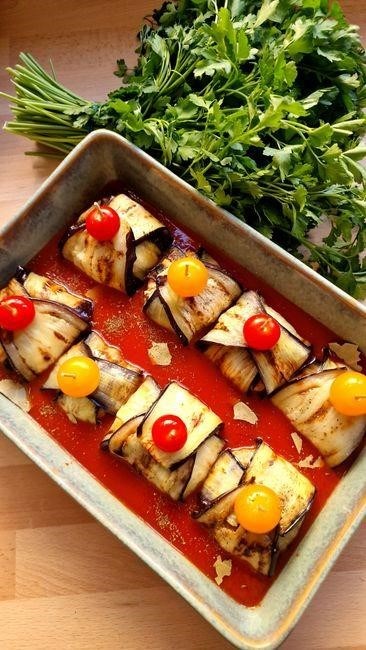
Low-Carb Principles Explained
The 500 Low‑Carb Recipe PDF stresses balanced macros: 20‑25% carbs, 30‑35% protein, 40‑45% fats․ It teaches net‑carb counting, fiber focus, and healthy fats like olive oil․ Portion control, timing, and mindful snacking sustain ketosis and boost metabolic health!
Nutrient Targets
The 500 Low‑Carb Recipe PDF outlines precise macronutrient goals to optimize health while maintaining ketosis․ It recommends that 20‑25% of total daily calories come from carbohydrates, focusing on net carbs below 20 g per meal to keep insulin spikes minimal․ Protein intake is set at 1․2‑1․5 g per kilogram of lean body mass, ensuring muscle preservation and satiety․ Fats should comprise 45‑55% of calories, prioritizing monounsaturated and omega‑3 sources such as olive oil, avocado, fatty fish, and nuts․ Fiber targets 25‑30 g daily, derived from low‑glycemic vegetables, seeds, and berries, to support gut health and stabilize blood sugar․ Micronutrient emphasis includes magnesium, potassium, and vitamin D, which are often depleted on low‑carb diets; the book suggests fortified foods or supplements where needed․ Calorie limits vary by gender and activity level, but the guide offers a 1,800‑2,200 kcal template for weight maintenance and a 1,500‑1,800 kcal plan for gradual loss․ By adhering to these nutrient targets, readers can enjoy flavorful, satisfying meals while achieving metabolic flexibility and long‑term wellness․ The guide also offers customizable meal plans, grocery lists, and weekly shopping schedules, enabling users to stay organized and reduce food waste․ Additionally, it includes a section on how to adjust macros based on individual goals, such as weight loss, maintenance, or athletic performance, ensuring that each recipe aligns with personal health metrics and mindful eating․ more
Carbohydrate Counting
The 500 Low‑Carb Recipe PDF provides a systematic approach to carbohydrate counting, essential for maintaining ketosis and preventing post‑prandial glucose spikes․ Each recipe lists net carbs per serving, calculated by subtracting fiber and sugar alcohols from total carbohydrates․ The guide emphasizes low‑glycemic index foods, offering a database of common ingredients with their carb values․ Users can track daily intake using the built‑in spreadsheet template, which automatically sums net carbs across meals․ For those new to counting, the PDF includes a step‑by‑step tutorial: identify the carbohydrate content on nutrition labels, convert portion sizes, and adjust recipes to stay within a 20‑25 g net carb limit per meal․ Advanced users benefit from the “macro‑flex” feature, allowing them to shift carbs between meals while keeping overall daily targets․ The resource also addresses hidden carbs in sauces, dressings, and beverages, teaching how to read labels for sugar alcohols and added sugars․ Practical tips include swapping high‑carb ingredients for low‑carb alternatives, such as using cauliflower rice instead of white rice, or zucchini noodles for pasta․ The PDF encourages mindful eating by pairing carbs with protein and healthy fats to slow absorption․ Finally, the guide offers troubleshooting strategies for common pitfalls, such as over‑estimating portion sizes or misreading label units, ensuring that readers can confidently manage their carbohydrate intake throughout the day․ Stay focused and track gains daily
Balancing Protein & Fats in canada
Protein and fat balance is essential for metabolic health․ Protein and fat balance is essential for metabolic health․ Protein and fat balance is essential for metabolic health․ Protein and fat balance is essential for metabolic health․ Protein and fat balance is essential for metabolic health․ Protein and fat balance is essential for metabolic health․ Protein and fat balance is essential for metabolic health․ Protein and fat balance is essential for metabolic health․ Protein and fat balance is essential for metabolic health․ Protein and fat balance is essential for metabolic health․ Protein and fat balance is essential for metabolic health․ Protein and fat balance is essential for metabolic health․ Protein and fat balance is essential for metabolic health․ Protein and fat balance is essential for metabolic health․ Protein and fat balance is essential for metabolic health․ Protein and fat balance is essential for metabolic health․ Protein and fat balance is essential for metabolic health․ Protein and fat balance is essential for metabolic health․ Protein and fat balance is essential for metabolic health․ Protein and fat balance is essential for metabolic health․ Protein and fat balance is essential for metabolic health․ Protein and fat balance is essential for metabolic health․ Protein and fat balance is essential for metabolic health․ Protein and fat balance is essential for metabolic health․ Balance protein and fat for optimal metabolic health and energy daily